
In modern search optimization, the websites that dominate competitive search results are rarely those that write the longest articles or acquire the most backlinks. Instead, the top spots are consistently held by websites that demonstrate undeniable Topical Authority.
Rather than publishing dozens of random, disconnected articles targeting isolated keywords, forward-thinking brands use Topic Clustering to systematically cover every facet of their core industry. As a leading SEO consultant in Kerala, I rely on topic clustering to help clients outrank older, high-authority competitor domains. This article serves as Cluster 4 of our Complete Guide to SEO in Kerala pillar architecture.
The Fundamental Flaw of Traditional Keyword Blogging
Traditional SEO blogging followed a broken paradigm: pick 20 keywords from an SEO tool, write 800 words for each, publish them in reverse chronological order on the blog page, and hope for rankings.
This approach produces two major problems:
- Keyword Cannibalization: Multiple articles inadvertently compete against each other for similar search queries, confusing search engines about which URL to rank.
- Diluted PageRank: Without intentional internal linking, equity remains trapped in individual blog posts rather than circulating up to your high-converting service landing pages and homepage.
What Is the Pillar-Cluster Model?
The Pillar-Cluster model reimagines content architecture into an organized knowledge library consisting of three structural elements:
1. The Pillar Page
A comprehensive, broad overview of a primary topic. For instance, our The Complete Guide to SEO in Kerala covers every dimension of search marketing at a high level. It targets the highest-volume, most competitive search terms and links to the homepage.
2. The Cluster Pages (Subtopics)
In-depth, dedicated articles that explore specific sub-questions or specialized branches of the pillar topic in exhaustive detail. For example:
- Technical SEO Foundation & Crawlability
- Local SEO & Google Business Profile in Kerala
- AI Search Optimization & GEO Strategies
- Multi-Platform Search Visibility
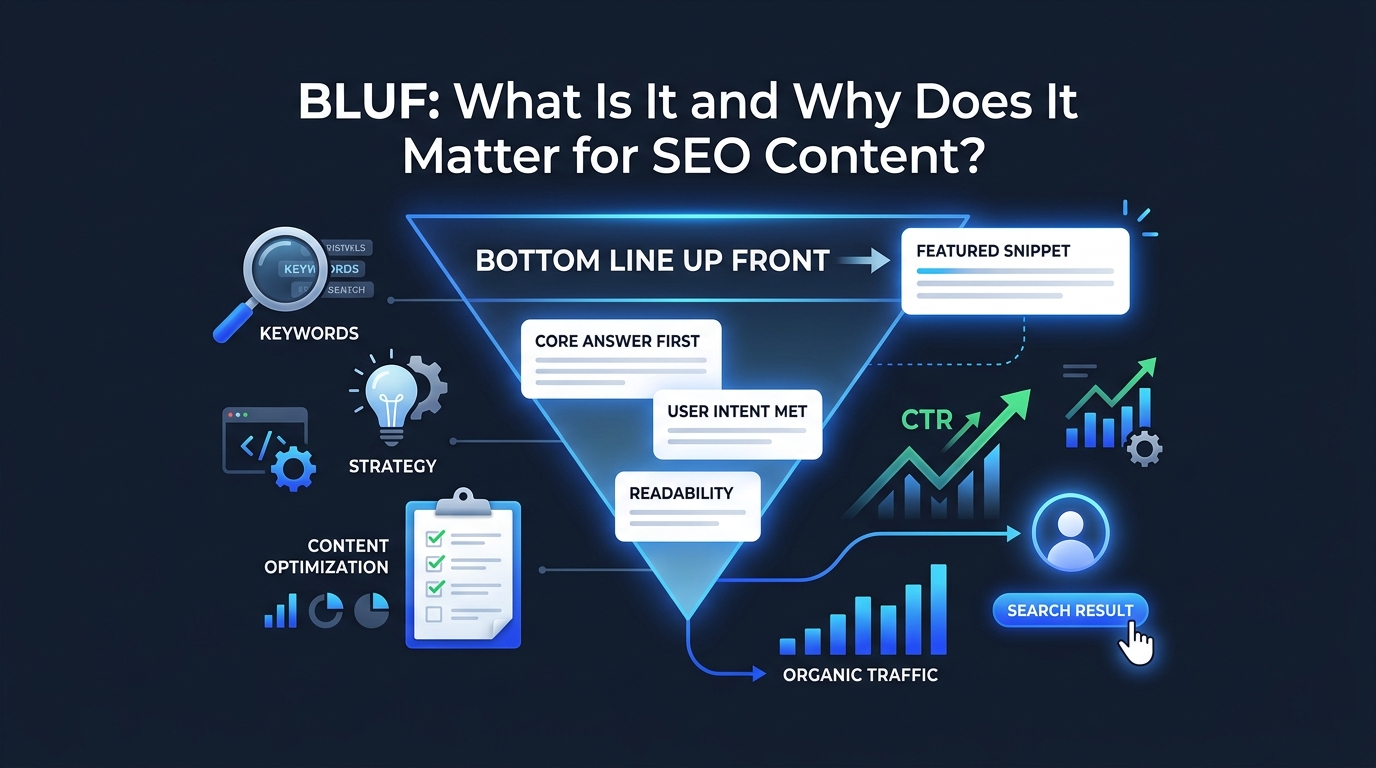
- BLUF SEO Content Writing Guide
3. Contextual Hyperlinks
The glue that binds the cluster together. Every single cluster page links back to the central pillar using descriptive anchor text, and the pillar page links down to each cluster. Additionally, peer cluster pages interlink where contextually relevant.
How Topic Clusters Signal Domain Expertise to Google & AI Engines
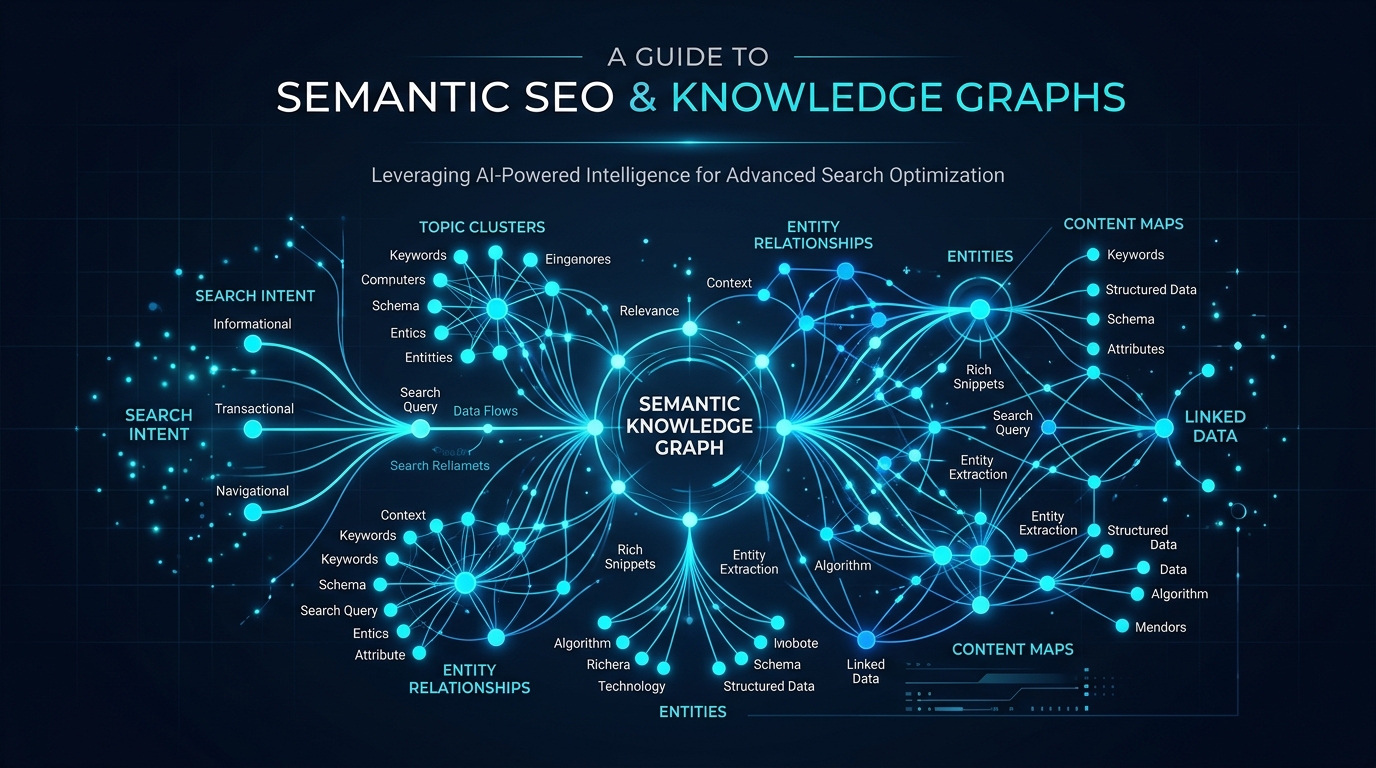
When Google's crawler evaluates your site, it doesn't just evaluate individual URLs; it evaluates the semantic relationship between pages. When it sees an entire cluster of interconnected articles addressing search intent, technical optimization, local maps, and AI search, it recognizes your domain as an authoritative entity on the topic.
Furthermore, conversational AI platforms like ChatGPT and Perplexity rely heavily on semantic relationships to select trusted citation sources. A well-clustered website is significantly more likely to be quoted in AI Overviews than a fragmented blog.
4 Rules for Building High-Performance Topic Clusters
- Map Intent Before Writing: Ensure each cluster post solves a unique search intent (informational, commercial, or transactional) without overlapping with peer articles.
- Use Exact & Partial Match Anchors: Avoid generic anchor text like "click here" or "read more". Use descriptive, keyword-rich phrases that tell search engines precisely what the target page covers.
- Funnel Authority to High-Converting Pages: Ensure clusters link not only to the pillar, but also to your commercial content strategy services and technical SEO services.
- Keep Information Fresh: Regularly update your cluster posts with recent data, screenshots, and algorithm changes to maintain topical freshness scores.
Scale Your Search Authority Today
Building topic clusters requires structured planning, meticulous keyword mapping, and expert execution. If you want to turn your website into an authoritative industry leader that attracts high-value organic customers, explore our specialized SEO Content Strategy Services or contact Juwaid KV to map your custom topic cluster roadmap.